Join us for the trip of a lifetime – 12 Days of Wonder. ( Land travel)
Overview
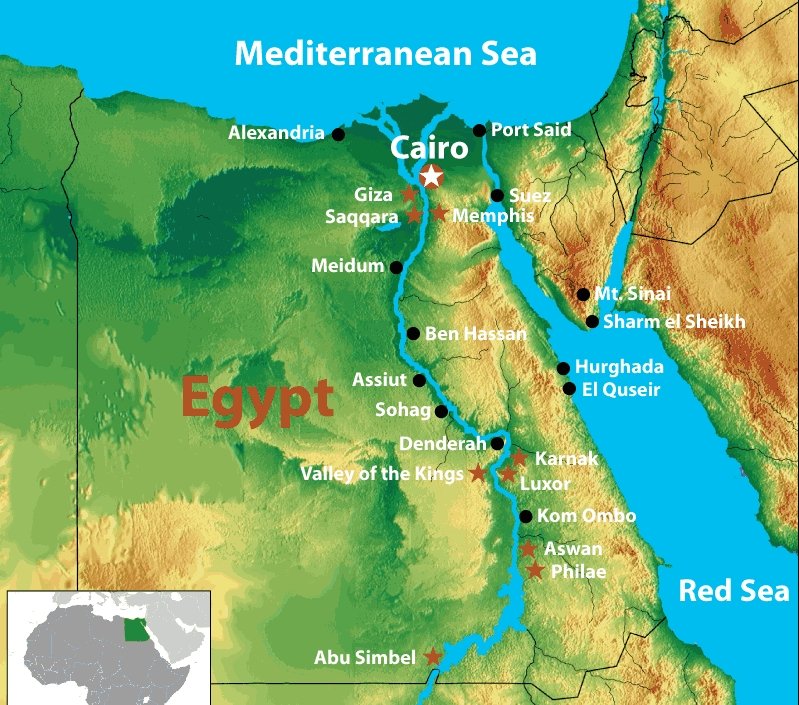
Discover the 12-Day Egypt – South to North Odyssey: Unlock the Ancient World — an extraordinary journey that sets itself apart from standard tours by venturing deep into rarely visited Middle Egypt, where most travellers never tread. While typical Nile cruises rush between Cairo, Luxor, and Aswan with limited time and crowds, this overland adventure offers unrushed, intimate explorations of hidden gems like Akhenaten’s revolutionary city at Tell el-Amarna, the vivid rock-cut tombs of Beni Hassan, the enigmatic Middle Kingdom pyramids of Hawara, Meidum, and Lahun, the celestial beauty of Dendera’s Hathor temple with its zodiac ceiling, and the sacred, exquisitely carved Abydos — all in peaceful, uncrowded settings that allow genuine connection with Egypt’s full historical depth. With three full nights each in Luxor and Aswan for authentic souk immersion, a traditional felucca sail capturing the real serenity of the Nile, exclusive after-hours access to the Great Pyramid’s King’s Chamber, and a seamless progression through the origins of pyramid-building at Saqqara and Dahshur before culminating at Giza and the Grand Egyptian Museum, this thoughtful quest delivers richer stories, quieter moments, and authentic magic that cookie-cutter cruises simply can’t match — perfect for curious travellers seeking a once-in-a-lifetime, deeper Egypt experience.
12 Days in Egypt
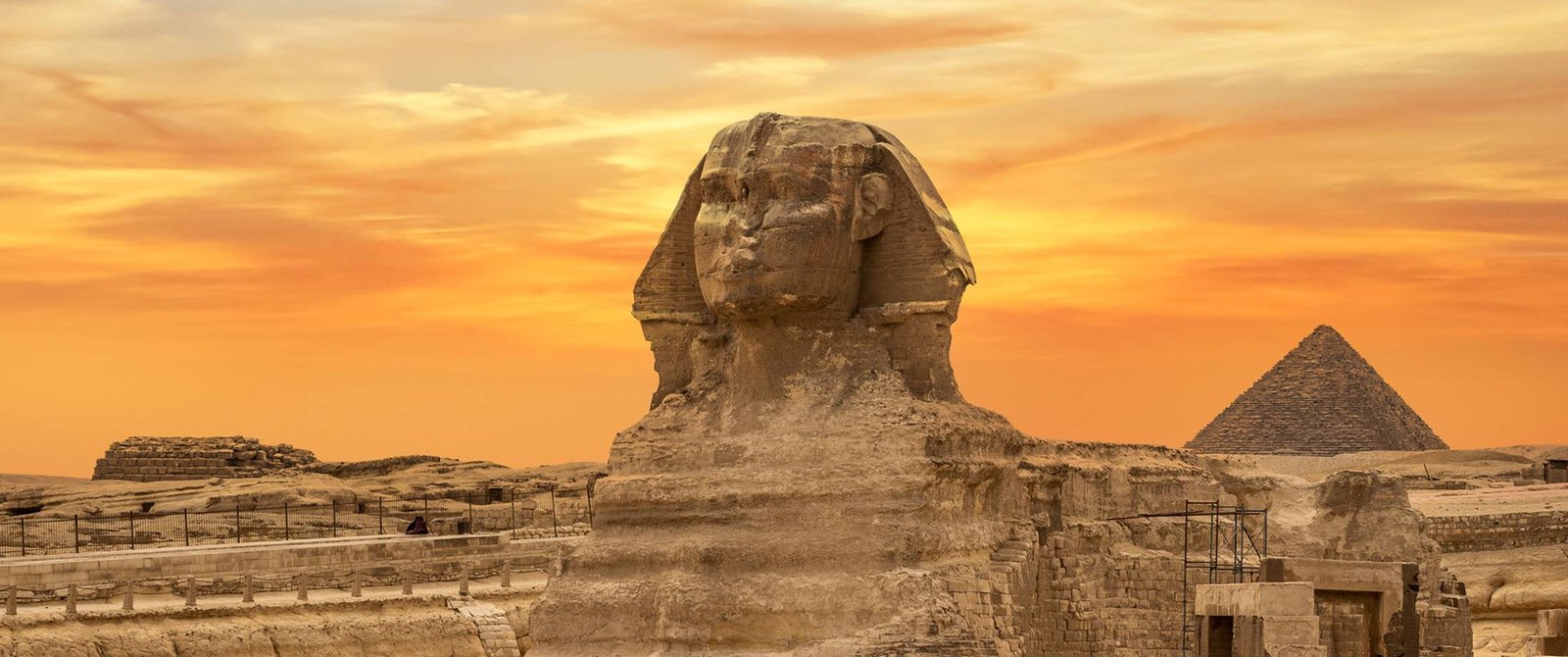
- Great Pyramids of Giza & Sphinx
- Camel ride (optional)
- The Step pyramid of Saqqara; Serapeum
- Dahshur; Bent Pyramid; Red Pyramid , Unas Pyramid; Djoser Pyramid
- Meduim pyramid
- Hawara pyramid
- Tell El-Amarna
- Dendara Temple devoted to Hathor
- Abydos & Osirion - temple of Seti I at Abydos & Osiron where the mysteries of Osiris were taught and practiced
- Luxor temple
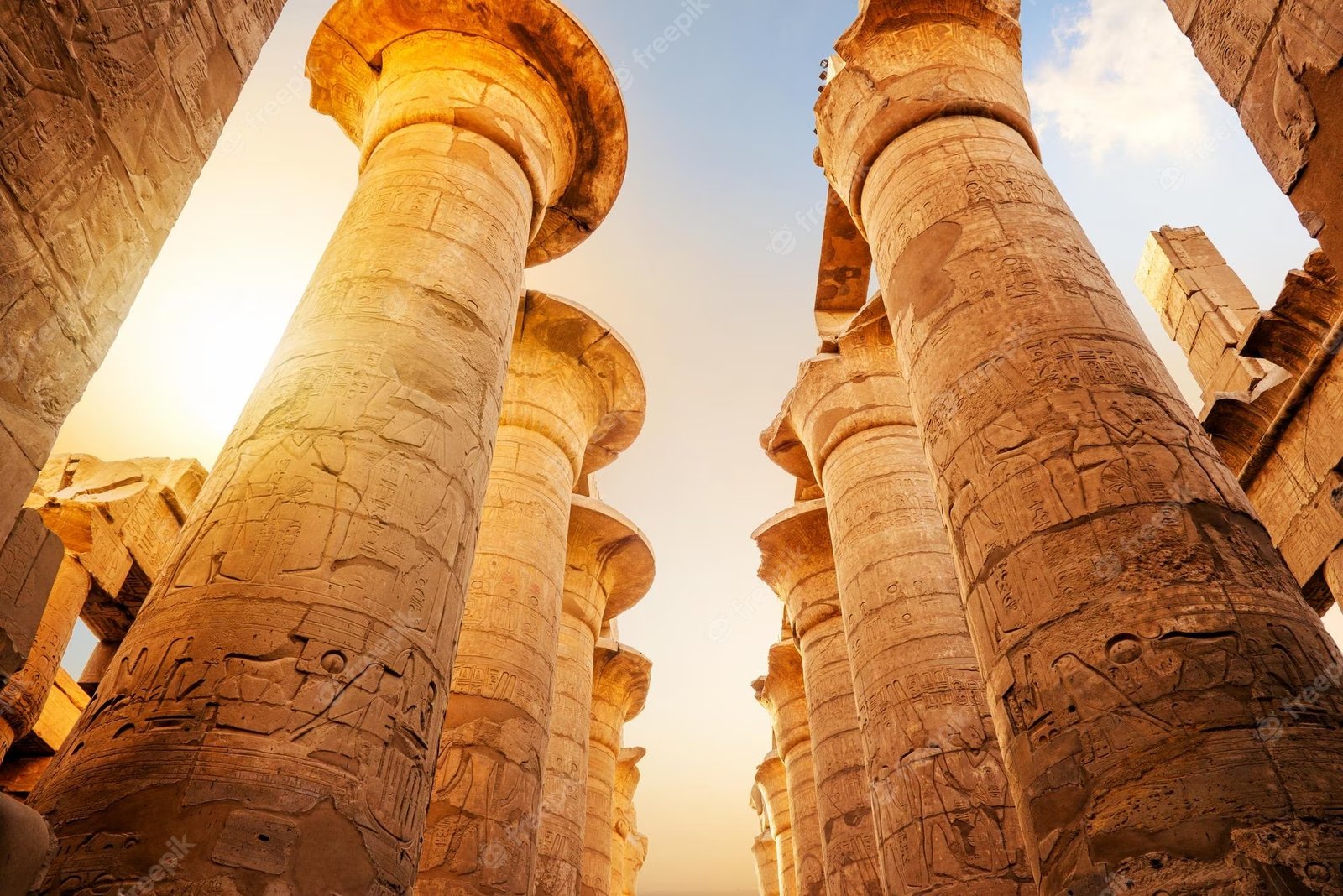
- Temple of Karnak; & Temple of Queen Hatshepsut
- Edfu & Kom Ombo Temples
- Philae Temple & Unfinished Obelisk
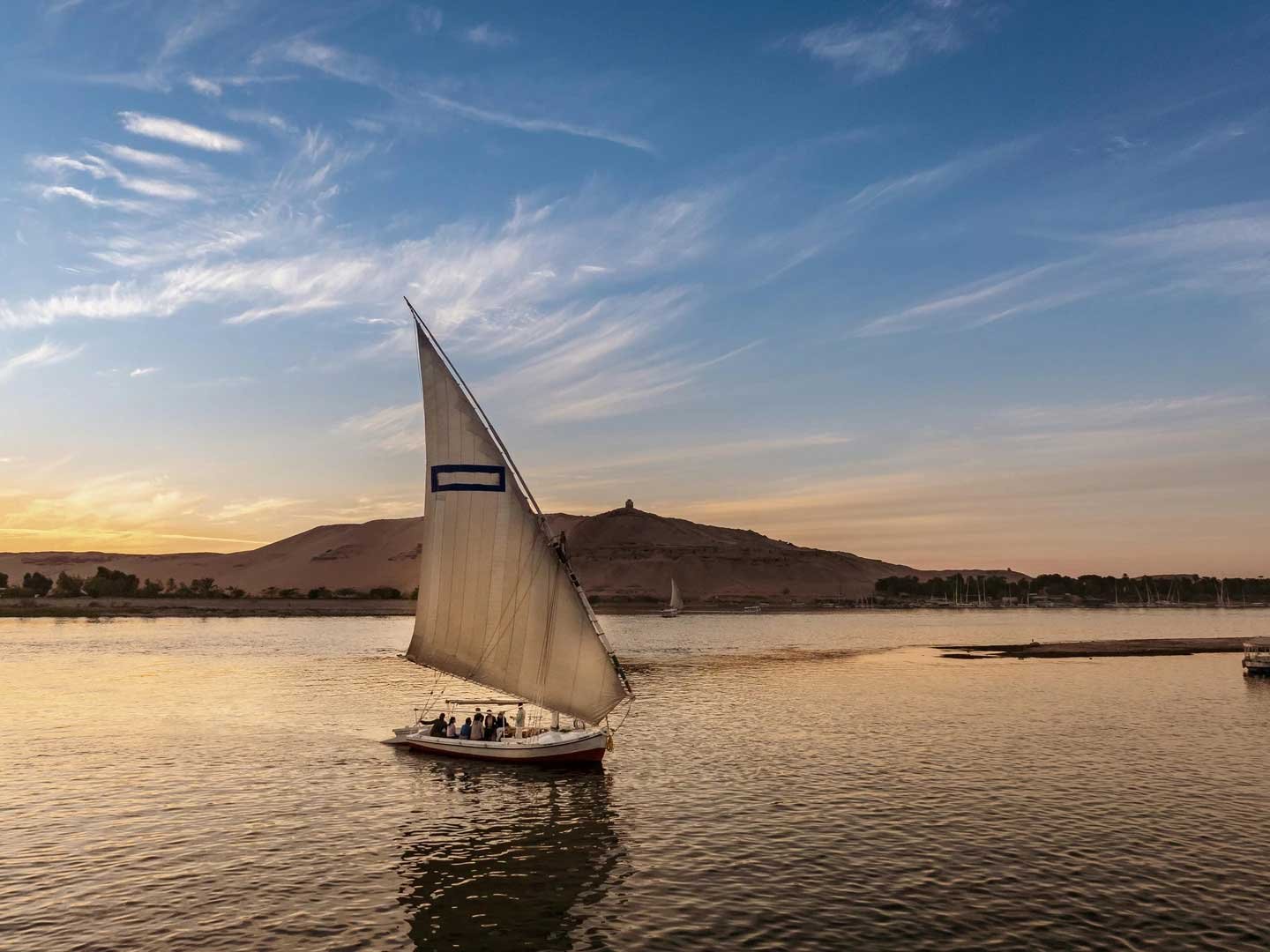
- Aswan - felucca (sailboat) ride
- Temples of Kalabsha
Itinerary 12 Days in Egypt (Land)
-
Land in Cairo and feel the pulse of Egypt immediately.
-
Take a short domestic flight to Aswan, the serene gateway to Upper Egypt.
-
Check into a Nile-view hotel or a traditional felucca-inspired boutique guesthouse.
-
Optional evening: sunset stroll along the Nile Corniche, watch feluccas glide past, and enjoy your first taste of Egyptian cuisine by the river.
Overnight in Aswan.
-
Start with the Aswan High Dam, a modern engineering marvel against the backdrop of the Nile.
-
Explore the Unfinished Obelisk, imagining the colossal forces ancient Egyptians harnessed.
-
Cruise to Philae Temple, beautifully restored and accessible via a short boat ride – a magical first dip into Egyptian mythology.
-
Stop at Kalabsha Temple, a Nubian masterpiece relocated to avoid flooding from the High Dam.
-
Evening free: Consider a sunset felucca ride or exploring Aswan’s lively souk.
Overnight in Aswan.
-
Pre-dawn departure (or flight, if preferred) to Abu Simbel. Witness the colossal temples of Ramses II and Nefertari, carved into sandstone cliffs, perfectly aligned with the rising sun.
-
Take a moment to absorb the grandeur of this UNESCO World Heritage site.
-
Return to Aswan for dinner and an evening at leisure.
Overnight in Aswan.
-
Drive north along the Nile, stopping at:
-
Kom Ombo Temple: Dual temple dedicated to Sobek and Horus, set against a picturesque riverside panorama.
-
Edfu Temple: One of the best-preserved ancient temples, dedicated to Horus.
-
-
Arrive in Luxor, check into a hotel near the Nile, and rest for the evening.
Overnight in Luxor.
-
Morning private guided tour of:
-
Valley of the Kings – enter the tombs of pharaohs including Tutankhamun.
-
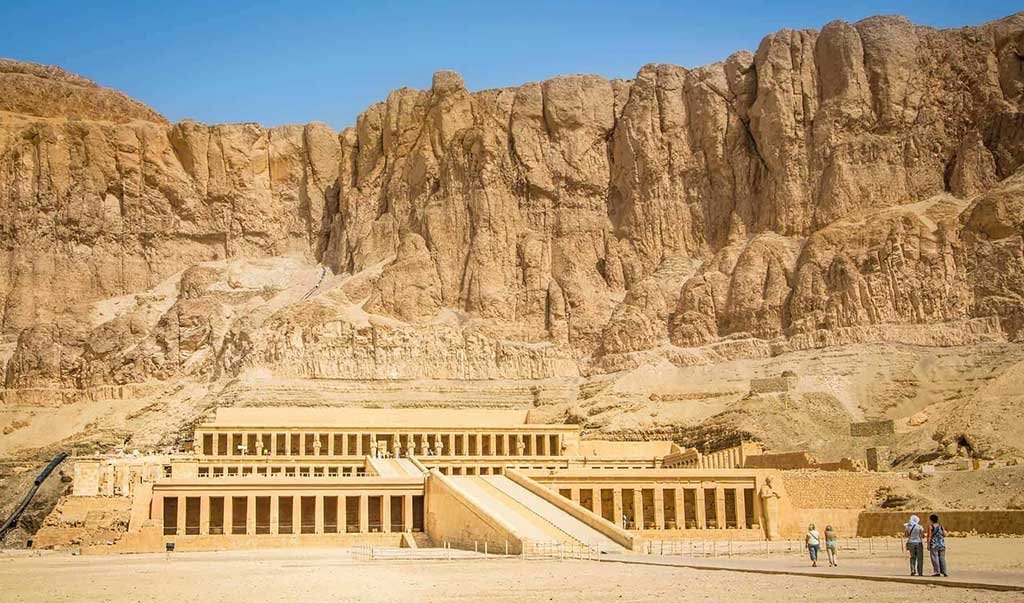
Temple of Hatshepsut – the stunning mortuary temple carved into the cliffs.
-
Valley of the Queens – explore the final resting place of royal women.
-
Colossi of Memnon – massive twin statues guarding ancient lands.
-
-
Optional: Hot air balloon ride at sunrise over Luxor for a cinematic view of the Nile and temples.
Overnight in Luxor.
-
Explore Karnak Temple, Egypt’s largest religious complex – stroll through hypostyle halls, sacred lakes, and colossal statues.
-
Visit Luxor Temple, beautifully illuminated in the evening – a perfect blend of history and atmosphere.
-
Evening optional: Light & Sound show at Karnak for dramatic storytelling.
Overnight in Luxor.
-
Head north with stops at:
-
Dendera Temple Complex – exquisite carvings, including the famed zodiac ceiling.
-
Abydos Temple – sacred Osiris temple, a spiritual journey into Egypt’s oldest religious site.
-
-
Overnight in Sohag, soaking in the calm of Middle Egypt’s landscapes.
-
Discover hidden treasures off the beaten path:
-
Beni Hasan tombs – ancient rock-cut tombs with vivid wall paintings of daily life.
-
Tuna El-Gebel – catacombs of the ibis and ancient necropolises.
-
Tell El-Amarna – Akhenaten’s revolutionary city, a glimpse into a lost Pharaoh’s vision.
-
-
Overnight in Minya, embracing Middle Egypt’s quieter, authentic vibe.
-
Explore enigmatic pyramids and ancient towns:
-
Hawara Pyramid – labyrinthine burial site of Amenemhat III.
-
Meidum Pyramid – a dramatic “collapsed” pyramid, perfect for photography.
-
Lahun Pyramid – a hidden gem for true adventurers.
-
Karanis – ancient Greco-Roman ruins for a slice of history beyond the pharaohs.
-
-
Evening drive to Cairo.
Overnight in Cairo.
-
Dive deep into Egypt’s earliest pyramid evolution:
-
Saqqara – Step Pyramid of Djoser, the Serapeum, and Unas Pyramid with incredible hieroglyphs.
-
Dahshur – Bent Pyramid and Red Pyramid, exploring the experimentation behind the classic pyramid shape.
-
-
Optional evening: Nile dinner cruise in Cairo to relax after a full day of exploration.
Overnight in Cairo.
-
Morning at the iconic Giza Plateau:
-
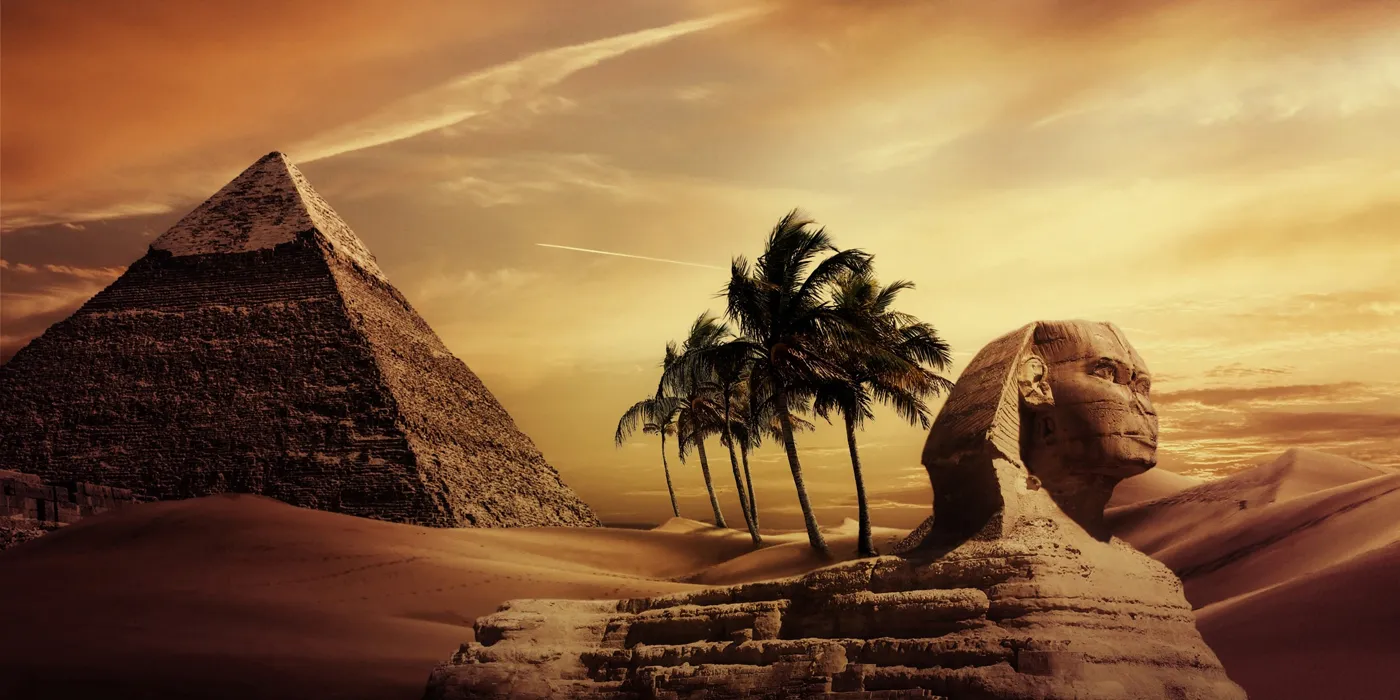
Marvel at the Great Pyramid of Khufu, Khafre and Menkaure pyramids, and the Sphinx.
-
Optional camel ride for that ultimate “pharaoh adventure” photo.
-
-
Afternoon at the Grand Egyptian Museum – immersive displays of Tutankhamun treasures, mummies, and Egypt’s epic history, just steps from Giza.
-
Evening: Farewell dinner at a rooftop restaurant with views of the pyramids under starlight.
Overnight in Cairo. - Highlight: Private 2hr ceremony – after hours visit to the Great Pyramid of Egypt
Following Breakfast and group goodbyes and departure Reflect on your life-changing journey from Nubian sands to the bustling streets of Cairo, carrying memories of Egypt’s magic forever.
Exludes
Includes
- excursions
- entrance Fees
- 11 nights: Hotels + Breakfast and two evening meals.
- Transport
- local English speaking guides
- Half Board in Cairo & al Minya
- domestic flight - Cairo to Aswan
- Private entrance - Great pyramid of Egypt
Excludes
- Tipping and gratuities
- Lunches in Cairo
- Most dinners & lunches
- Egypt Tourist Visa
- Cancellation & Medical Insurance
- Any item that is not specifically detailed on our website or in the final journey itinerary
- International Airfares to/from Cairo, Egypt
- Force majure, Cancellation & Medical Insurance
Passports are required of all Nationalities to enter
Must be valid for at least 6 months after your trip – if not, apply or renew immediately
Keep a copy of the picture page of your passport in a separate place while traveling
Carry an extra passport photo in case you need to apply for a quick replacement
Visa requirements change periodically and you should check the requirements before traveling from the Egyptian Embassy in your country.
Most western visitors to Egypt are required to obtain an e-visa prior to arrival in Egypt.
The e-Visa is granted to citizens of the countries shown on this site. https://visa2egypt.gov.eg
Applicants obtain their visas electronically after entering required information and making payments by a credit or debit card.
A link to download your e-visa will be sent to you. Passport authorities at ports of arrival can check the validity of your e-Visa on their system.
Tourist Visas can be obtained upon arrival at Cairo airport from the bank with the cost of USD 25 per person depending on the country of citizenship.. This however involves queueing in the arrivals terminal, thus e-visa is recommended.
Some immunizations are highly recommended, but none are required for entry
Recommended standard immunizations include: polio, tetanus, typhoid, MMR, hepatitis A & B, covid 19
SEEK INDEPENDENT MEDICAL ADVICE from your physician or local travelers health service
Egypt’s National Currency is the Egyptian Pound (EGP or LE).
The currency unit in Egypt is divided into 100 Piastres (pt). The following is a list of banknotes and coins that are in circulation:
Banknotes: 1, 5, 10, 20, 50, 100 LE
Coins: 10, 20, 25 piastres
Approx exchange rate: (June 2023)
100 EGP = 2.60 GBP, 3.20USD, 5 AUD, 5.40 NZD, 3 EURO
US Dollars cash is also widely accepted so carrying cash in small denomination notes is helpful.
Money can be exchanged at the airport American Express offices, commercial banks, and hotel cashiers. You should exchange money only at designated exchange facilities.
All exchange transactions in Egypt will require that you present your passport and endorse the checks with your passport number. Be sure that your currency exchange form has been stamped when changing money. This form must be surrendered when leaving the country.
It can be extremely difficult to convert remaining Egyptian Pounds to other currencies at the end of the trip. It is illegal to bring in/take out of the country more than 20 Egyptian Pounds.
There are banks & ATM’s in almost every hotel. In large hotels, banks are open 24 hours for the traveler’s
convenience. Rates of exchange are the same at all banks, though commission might vary, so ask first.
Travelers checks are not honored anymore at most shops, restaurants and hotels.
Most major credit cards are accepted throughout Egypt at major hotels and restaurants.
Basic additional expenses include meals not included in the land cost, refreshments, liquor, laundry, gratuities for your guides, airport departure tax & taxis.
Tipping in Egypt is called “Baksheesh.” The same term is also used for a bribe, a way to persuade someone to do a service the way you want it done. This can include anything from someone carrying your bags for you to guiding you through the city unwillingly. Be sure to carry plenty of small change with you if you expect any service. For some travelers who are not familiar with this type of lifestyle it can be irritating, but it is expected and the accepted way of getting things done.
Tipping Kitty
We shall operate a central Tipping Kitty; on this trip. We feel this system will save you money and
avoid embarrassment in a country like Egypt where tipping is a way of life and where requests for
tips can be persistent.
Each member of the group contributes to the Tipping Kitty and this is then used to pay tips to any
people who provide services to the group as a whole, such as guides, porters, drivers, sailors,
housekeeping staff in hotels, cruise ships and so on. The Tour Leader administers these tips and
keeps a detailed record of how the tipping funds are distributed. These are open accounts so feel
free to ask to see them. Please note that the Tipping Kitty system can’t guarantee that you won’t
be pestered for tips. Direct such people to Glenn or Karin !:);
We estimate a per person Tip Kitty contribution of; USD$10 p/p per day Cairo to Abu Simbel $140, & Luxor to Abu Simbel $90.
Gratuities should be in the local currency. Recommendations for good service are:
Guide: $6-8 per person, per day
Drivers & Local Escorts: $3-4 per person, per day
You may want to consider tipping a little more if you are in a small group (4 people or less).
On the Nile cruise, it is customary to leave $5 per person/day in an envelope at the reception at checkout to be distributed to staff and personnel.
Restaurant staff should be tipped 10% of the total meal.
Anytime you especially appreciate someone particularly informative or helpful, an extra tip is always gratefully accepted.
We strongly recommend purchasing Travel Insurance that covers Trip cancellation , medical & force majure to protect against unforseen events and additional travel expenses that may incur before, after, or during the trip.
Telephone Systems: Egypt has modernized its telephone, mobile & data systems, all cities maybe accessed by direct dial. Phone booths are distributed all over the areas of most cities. Egypt country code is +20
Mobile Phones: Mobile phones with roaming possibilities operate efficiently in most areas in Egypt. The networks have been expanded in most cities and beach resorts.
Internet Access & Wifi: Access to the internet is readily available . The connection is possible, and most of the hotels has the service of Internet access in their business center.
Eat only foods that are thoroughly cooked, and raw fruits and vegetables that you have peeled yourself
Tap water in the city is heavily chlorinated, and the excessive chlorination can make some people feel ill.
Drink only bottled drinks or purified water at all times, and avoid tap water, fountain drinks and ice cubes. Bottled water is readily available, but make sure the bottles are properly sealed.
Avoid fresh salads unless the vegetables are washed with purified water, and avoid dairy products that are unpasteurized or may not have been refrigerated properly
Don’t buy food from street vendors or stalls
Meals provided on your trip are generally well balanced. When meals are not included in the trip cost, your guide will be available to make dining recommendations.
Special diet or meal requests cannot be guaranteed, but our operators will do their best to accommodate you. Please advise us if you have any special dietary requirements.
There are thousands of cafes, teahouses and market stalls where you can find exotic or plain food. In large cities, there are plenty of restaurants serving European dishes and places where you can get a hamburger or western type foods. All the international fast food chains are also to be found in Cairo.
Look for a restaurant where lots of locals are eating – chances are the food will be delicious and
reasonable
Typical meals are foul and taamiya. Both are made from beans with foul being cooked beans mixed with oil or butter and taamiya being crushed beans that are then fried. Another popular vegetarian dish is mahshee, vegetables stuffed with rice and then boiled or koshar which is pasta and lentils topped with fried onions and a garlic sauce. Kebab (grilled beef), kofta (grilled meatballs) and chicken are common meat dishes.
A 12% service charge plus 5% government sales tax (GST) will be added to your bill in most restaurants if not included already.
A common practice and a sign of hospitality is to be offered a cup of hibiscus tea. A deep red coloured drink served either hot or cold. Soft drinks and fruit juices are widely available.
Islamic law prevents the consumption of alcohol. However local beers and wines, also imported beverages are sold in hotels and restaurants. An average price for local Stella beer is approximately 5-10 LE while imported Stella beer is between 10-15 LE. A local bottle of wine costs about 30-40 LE and a spirit and mixer will cost approximately 13-20 LE.
Average prices of a three course meal without wine range from around US $15 to US $35
Arabic is the official language of Egypt although English is widely spoken throughout the tourist centers
However the Arabic spoken on the streets differs significantly from the standard or classical Arabic written in newspapers, spoken on the radio or recited in the mosque. It is both useful and fun to learn a few phrases and words as locals will fully appreciate any attempt made to communicate in their language.
Electricity in Egypt is 220 V, 50 Hz..
You can most commonly find the European two round prong plugs
Certain rural parts still use 110 to 380 volts AC.
Power Adapters come in two different varieties. Some electronic equipment have switches to allow you to change the power input type. For these, a simple wall adapter is all that is required. However, other electronic devices do not have such switches and in this case, you not only need a wall adapter, but also a power converter. Egypt uses 220 volt and plugs are two prong rounded.
Egypt is two hours ahead of Greenwich Mean Time (+2 GMT)
Daylight saving time is observed but the dates differ slightly from other countries.
When it is 9 PM in Cairo, it will be 2 PM in New York, 11 AM in Los Angeles, 8 PM in London on the same day and 5 AM in Sydney, 7 AM in NZ the following day.
Shopping in bazaars is really fun. Traditional Egyptian accessories and gifts are easily available. Bargaining or Haggling is common practice, and sometimes encouraged, as a way of communication and human contact. When shopping in Egypt especially in all bazaars never offer a price that you are not willing to pay.
Egypt offers popular items including gold and silver jewellery (especially cartouches), brassware, alabaster, perfume, papyrus, spices and cotton goods
The most interesting shopping area for tourists in Cairo is the old bazaar, Khan-el-Khalili, is expected, and sometimes encouraged, as a way of communication and human contact.
Shopping hours are from 10 a.m. to 2 p.m. and from 4 p.m. to 9 p.m., extended during the summer. Shops are closed on Sundays. Best shopping times are late morning and early evening.
Banks are open Sun – Thurs 08:30am – 1:00pm and then 5:00pm – 9:00pm Fri / Sat closed
Some banks open on Saturday from 08:30am to 1:00pm and Sunday 10:00am –12:00midday only.
Many archaeological sites and museums charge a camera charge. Flash photography is often prohibited as it contributes towards the destruction of sensitive colours, especially in the tombs. Therefore flash photos are forbidden in all tombs in Egypt. You must pay a small fee in order to use your camera in many of the tombs and museums, and a larger fee ($10-$30) to use a seperate video camera. If you have not purchased this ticket then you should put your camera away; otherwise, you will be requested to leave it outside!
Lunches in Cairo are not provided.
85% from the Egyptian people are Muslims The rest are Christian. All types of Christianity are represented, especially the Coptic Christian Church. There is also a small Jewish minority.
Sensitivity to local culture and customs can prevent misunderstandings and unpleasantness.
In Egypt a woman traveling alone is generally safe, but will attract men who may tag along trying to strike up conversations. The best strategy is just to ignore them. The people of this region stereotype Western women based on American television programs seen in their county. If an advance becomes too uncomfortable, raising a commotion will often result in bystanders taking the woman’s side and lecturing the offending man. In a society that places a high value on honor and shame, this is an effective but rarely necessary strategy.
While most people are receptive to posing for pictures, always ask permission. Children will almost always agree, but adults might say no. Some superstitious Muslims believe that by taking photos of children you might be casting an evil spell.
Do not take pictures of anything connected with the government or the military, such as post offices, banks, bridges, border posts, barracks, prisons, airports and the U.S. Embassy.
You can take photos of the interior of most mosques, temples and some tombs, though at some sights the government now charges for this privilege. Some museums, such as the Egyptian Museum in Cairo, charge up to $100 for the use of a video camera.
Egyptians are also sensitive about the negative aspects of their country. It is not uncommon for someone to be angry at you for taking photos of garbage carts, crowded streets or vehicles, and beggars. Please use caution when doing so.
It’s a wise idea to carry your own small supply of toilet paper.
Throughout Egypt where there are flush toilets you may find a wastebasket next to the toilet due to the sewage systems not being able to handle paper. Also you may notice a small pipe poking up from the toilet. This is a device many Egyptians use to wash their butts as using paper is not common in the middle east.
Some restrooms will neither look or smell as squeaky clean as those you are used to.
Northern Egypt has a typical Mediterranean climate, with hot, dry summers, except for the winter
months of December, January and February.
Summer temperatures (May to Sept) can reach well over 100°F during the summer, while weather in the winter is more moderate with lows from 40-50°F.
The further south you go, the hotter & drier it gets.
Temperatures
Min/Max Average daily temperatures in ºC:
Cairo Aswan Luxor
Sept 22-33 25-39 23-39
Observe the same precautions taken at home
Do not flaunt a bulging wallet, do not leave baggage unattended in public
In towns, the best place to carry your passport and money is in a pouch worn around the neck inside of the shirt or in a money belt around the waist and worn inside your trousers.
It’s essential that you buy travel & health insurance that covers your baggage & force majure before you leave.
A good goal is to fit everything into a single piece of checked luggage and a carry-on daypack
A small backpack or hip-pack is ideal for carrying bottled water, camera, extra sunblock, etc, while on excursions.
It is recommended that you dress conservatively. Casual clothing is acceptable for traveling and visiting monuments. Western fashions are acceptable in the major tourist centers, but in rural areas, conservative dress is more important. Women are especially advised to dress conservatively and avoid shorts, swimsuits, and low cut tops. For visiting some religious sites, you should wear a long sleeved shirt. Most Arabs are used to seeing foreign women dressed in jeans and shirts.
For regional international flights, most air carriers allow 22 kilos per person, or two
pieces. However, the domestic baggage weight limit is 16 kilograms per person on
domestic flights in Egypt so we recommend you pack for this limit as you will be taking these flights if partaking on the Cairo sector.
Take some warm clothes as Egypt can be a little chilly during January.
Lightweight & light colored clothes will help keep you cooler. Also keep in mind that synthetic fabrics dry faster than natural fibers like cotton, especially in humid areas, so you can pack less if you are able to wash and dry your clothes easily.
Laundry services are available in most hotels.
Obtain or renew your passport
Apply for your Egyptian e-Visa in advance here: https://visa2egypt.gov.eg
Buy Egyptian cash and/or a visa or mastercard for ATM withdrawals / payments
Evaluate and obtain a trip cancellation, force majure, baggage and medical insurance
Consult with physician for immunizations and prescription medicine recommendations
Break-in primary footwear
Lightweight hiking boots or comfortable athletic or walking shoes
Sport sandals with Velcro strap
Extra shoes, flip-flops or sandals
Shorts
Comfortable, lightweight pants
Nicer pants or skirt (optional)
Lightweight long-sleeve shirt
T-shirts, short sleeve shirts
Lightweight jacket
Sun hat or cap with wide brim
Bandana
Swim suit
Socks
Sleepwear
Under clothes
Soft duffel with shoulder strap or durable soft-sided suitcase
Day pack (can also serve as an airline carry-on bag)
Luggage tags
Copies of all important documents
2 spare passport photos (in case of lost passport)
Ziploc-type bags for packing shampoo or other liquids
Stuff sacks or plastic bags for organizing inside luggage (also useful for dirty laundry)
Sunblock (waterproof, high SPF)
Lipbalm with SPF
Insect repellent with DEET content
Wrist watch and/or travel clock
Sunglasses (with strap, case)
Extra eyeglasses/contacts
Money belt or pouch for valuables
Small flashlight with extra batteries
Camera, memory cards, film, batteries, charger
Lead bag/containers to protect film in X-ray machines
Lightweight binoculars
Plug adapter (if needed)
Thread, needles, safety pins for minor repairs
Small packable umbrella
Aspirin or other pain killer
Cold relief tablets, antihistamine, cough drops
Bandaids, gauze pads
Antibiotics
Prescription medicines
Aloe gel or lotion in case of sunburn
Anti-diarrhea medicine
Antibiotic cream/ointment
Supply of feminine hygiene items
Motion sickness tablets
Earplugs
Passport
Domestic and international air tickets
Travelers checks, money and credit cards
Insurance certificates
Address and telephone number of emergency contact
Prescription medicines
Extra set of underclothes
Toiletries in small leak-proof bottles
Camera gear, film and other valuables
Binoculars
Address book, writing paper, or journal, pen/pencil
Small washcloth
Wet wipes/moist towels and Kleenex
Favorite snack foods (pre-packaged)
Pictures of your house and family
Map
Silica bags for moisture (protect camera equipment)
Video camera
Egypt